
Liverpool Continues to Tackle COVID-19
COVID-19 timeline
January to December 2022

The Royal College of Nursing urges the UK government to take a more cautious approach as the Omicron variant continues to spread.
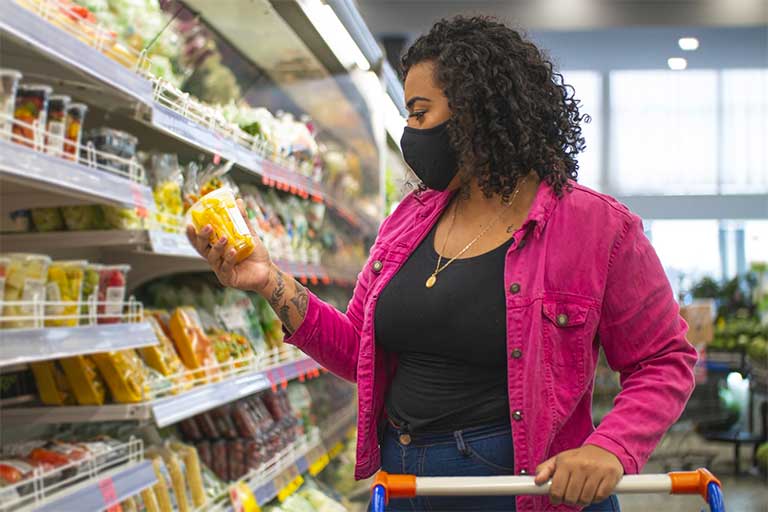
Plan B measures are lifted in England bringing an end to the mask mandate, but a number of retailers, including Sainsbury’s, Tesco, John Lewis, Waitrose and Morrisons will continue to encourage people to wear them, along with several rail operators.

NHS England launches its Spring Booster Programme, offering a booster vaccine to 600,000 people aged over 75, those who are residents in a care home, and those aged over 12 considered to be medically vulnerable.
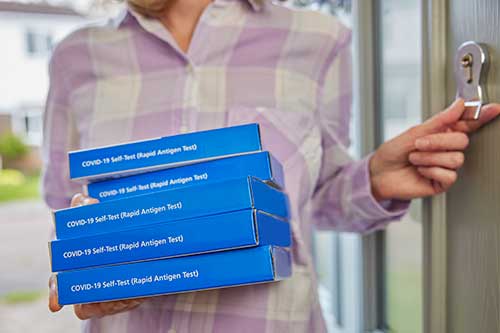
The UK government announces that most hospital patients and care home residents in England will no longer be required to take COVID-19 tests, although new admissions into both will continue to be tested. Free lateral flow tests for health and social care staff will also end from 31 August.
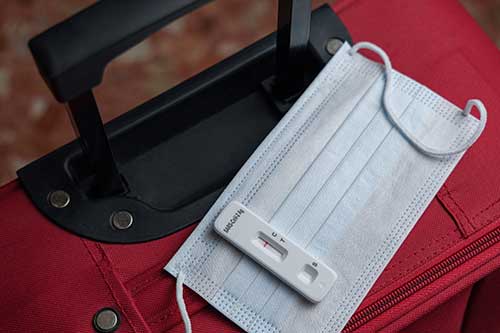
The UK government confirms that passengers arriving in England from China will need to provide a negative COVID test before boarding their flight when China fully reopens its borders on 8 January.
COVID-19 Omicron response
Proud to protect my city

Face covering

Wash hands

Fresh air

Testing

Vaccine

Distance
COVID-19 rates were at their highest in January 2022 peaking at over 3000 per 100,000 with the Omicron variant being the dominant strain of the virus. The COVID-19 booster vaccine which reduces the likelihood of serious illness or death because of COVID-19 continued to be rolled out as part of the government’s ‘Plan B’. During this time Liverpool Public Health Team supported the vaccination programme targeting the most vulnerable people in the community.
The Liverpool Public Health Team also continued to promote and support COVID-19 testing across Liverpool City and provided COVID-19 outbreak support and prevention work in vulnerable settings such as care homes. On January 19, 2022, Prime Minister Boris Johnson announced that Plan B restrictions would be lifted as the UK government moved to reopen the country.
COVID-19 rates declined rapidly from January 2022 increasing slightly in March 2022 before levelling off at around 40 per 100,000. As part of the national strategy for Living with COVID-19, free testing for most people with and without symptoms ended at the end of March 2022. Testing was still available in healthcare and some social care settings.
Graph showing COVID-19 cases January 2022 onwards

Summary:
Covid-19 rates peaked in early January 2022 at over 3000 per 100,000. Rates then declined rapidly to under 300 per 100,000 levelling off at around 20 per 100,000 with some increases in rates in March 2022 and July 2022
Targeting COVID-19 Vaccination
Evidence on COVID-19 vaccination uptake in Liverpool shows a wide inequality in uptake between our lowest and highest uptake communities. These same communities are among our most and least deprived communities, highlighting a social gradient in uptake, as well as variation between age groups, ethnic population groups and marginalized patient groups who experience additional barriers to accessing vaccination appointments.
Unvaccinated individuals report many different reasons for not being vaccinated and there is no ’’one size fits all’’ solution. Meanwhile trust, entrenched ideas, burnout and COVID-19 information overload mean the returns from these investments are diminishing.
Working with the Liverpool School of Tropical Medicine, Liverpool City Council developed a proposal to design and deliver context specific, local solutions, that are driven and owned by those communities who are most affected.
Low uptake patient groups were identified using National Immunisation Management System (NIMS) data sets, and separated into three parts:
- Behavioural insight to understand the barriers faced by the target patient groups, and what would/would not work to build vaccine confidence.
- Social marketing approach, with material co-produced and utilized by the target audience to share with family, friends and peers.
- Implement coordinated activity and monitoring of success with target audiences through multi-disciplinary Community Innovation Teams.
Phase one was concluded on 30 June 2022 with subsequent report. Phase one demonstrated the feasibility and acceptability of an approach which involved building trust with local communities through working in partnership in community innovation teams, use of evidence-based interventions to address vaccine inequalities, and the use of co-produced messaging and innovative local solutions to build confidence in COVID-19 vaccines.
Recommendations from phase one included alignment of the vaccination intervention with other locally defined health and wellbeing priorities to increase relevance to local community, and consideration of the sustainability of the community engagement approach beyond the duration of the programme.
Phase two of the COVID-19 Vaccine Hesitancy Insight and Behaviour Change programme will incorporate the findings and recommendations of the phase one report including the learning around equality implications. Linking with the Integrated Care Board (ICB) at Liverpool Place level and the council, the provider will be required to roll out the community engagement approach through community innovation teams across three primary care network areas to gain local insight and design and evaluate local interventions to address vaccine hesitancy and link interventions to increase vaccine uptake.
To address the recommendation on consideration of the sustainability of the approach, the phase two programme will have a specific focus on building and sustaining capacity for effective community engagement to address health inequalities with existing community assets. The wider rollout of this approach to address health inequalities across all primary care networks in Liverpool will be supported through mentorship and sharing learning and through alignment with primary care networks’ inequalities initiatives. The programme will also seek to link with Liverpool City Council’s developing neighbourhood model for community engagement.
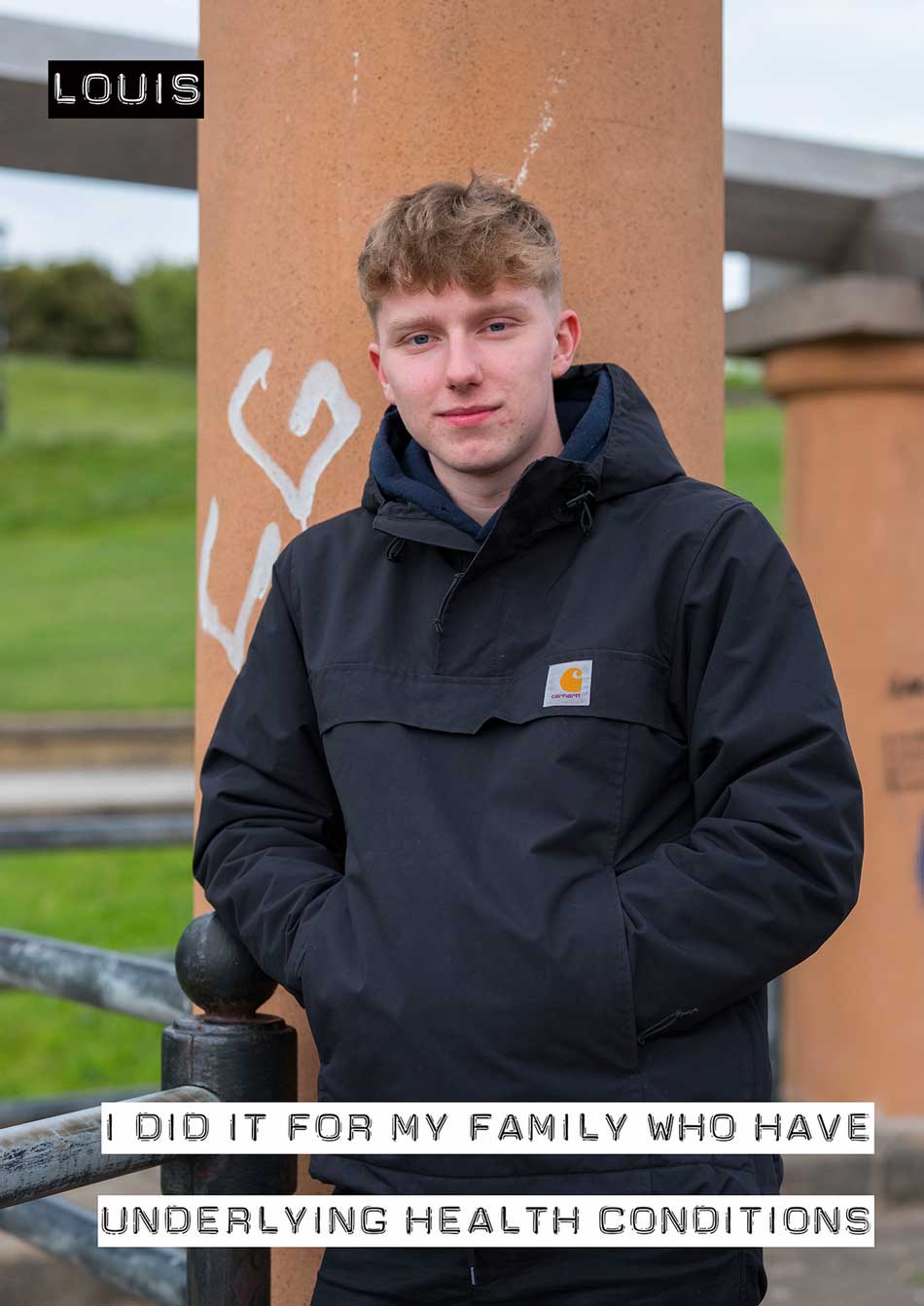
Awareness campaign image for vaccination take up – ‘I Did it for my family who have underlying health conditions’
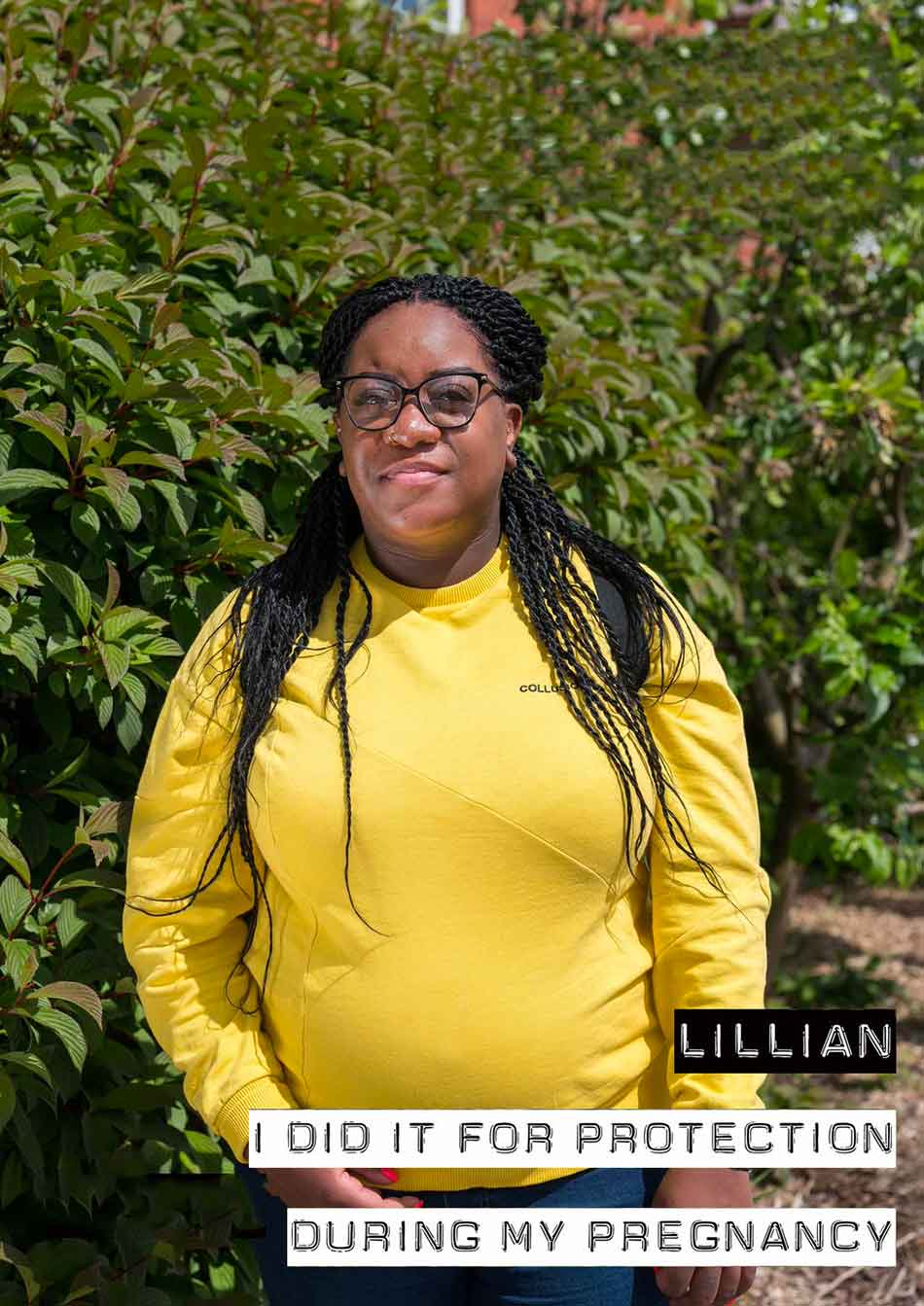
Awareness campaign image for vaccination take up – ‘I Did it for protection during my pregnancy’.